
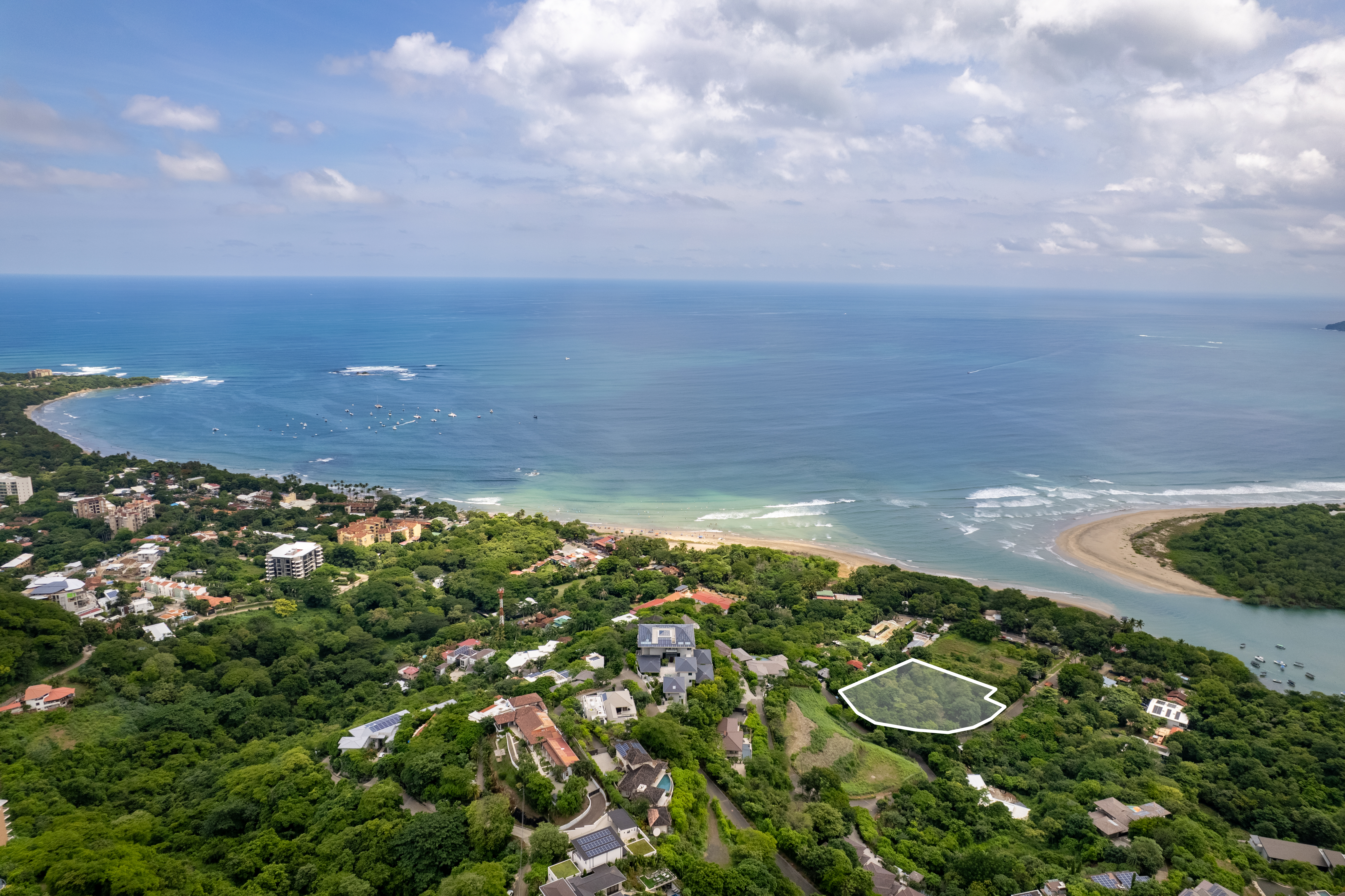
Are you dreaming of owning a piece of paradise in one of the most stable, beautiful, and welcoming countries in Latin America? If so, you’re not alone. Thousands of international buyers every year are exploring Costa Rica foreign property ownership as a smart investment, a vacation retreat, or even a permanent home.
Costa Rica has long captured the imagination of travelers, investors, and dreamers from around the globe. With its breathtaking coastlines, lush rainforests, abundant wildlife, and the famous “Pura Vida” lifestyle. It’s no wonder that thousands of foreigners have chosen to plant their flag in this Central American gem. But before you pack your bags and start shopping for beachfront villas, understanding the nuances of Costa Rica foreign property ownership is essential.
At Nests Properties, we’ve helped countless international buyers navigate the exciting yet complex journey of purchasing real estate in Costa Rica. Whether you’re searching for homes for sale Costa Rica, dreaming of Costa Rica homes for sale on the beach, or looking for investment land, this comprehensive guide will walk you through everything you need to know.
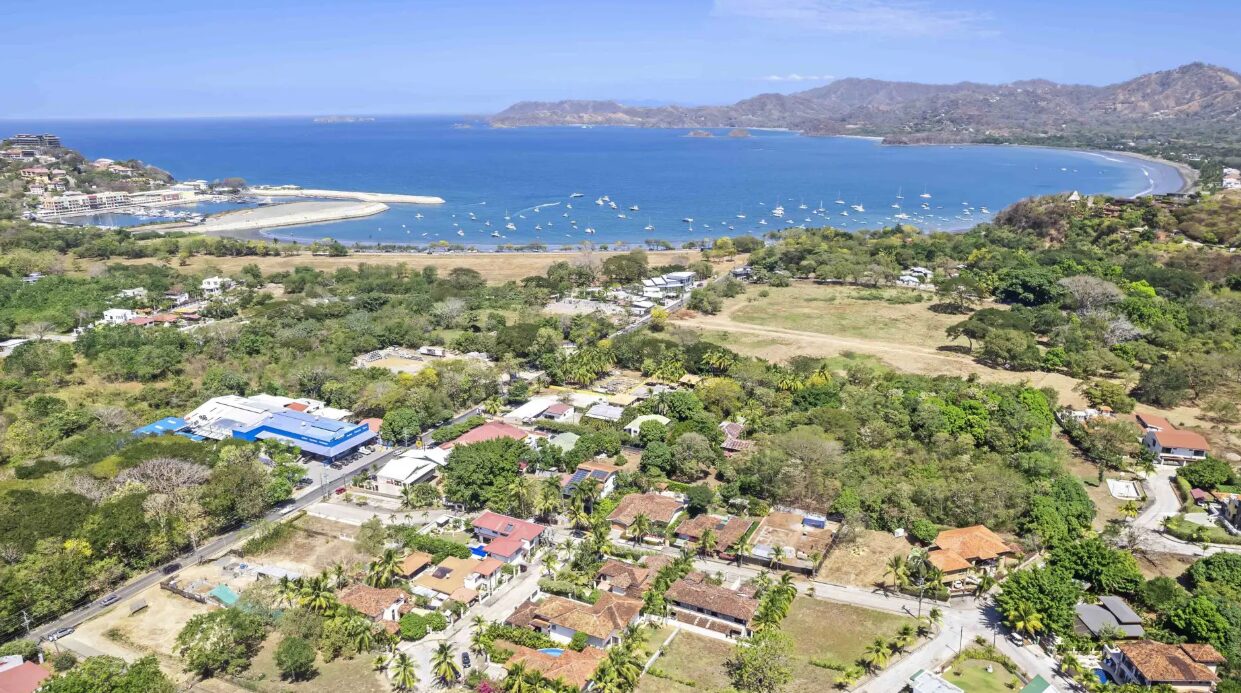


Can Foreigners Own Property in Costa Rica? Understanding Costa Rica Foreign Property Ownership
Yes, foreigners can absolutely own property in Costa Rica. The country’s constitution guarantees equal property rights to non-citizens. This means that whether you’re from the United States, Canada, Europe, or anywhere else, you can purchase, own, sell, lease, or pass on property in your personal name with full fee simple (absolute) ownership rights.
Unlike many other countries in the region, Costa Rica does not require foreigners to obtain special permits, have local residency, or partner with a Costa Rican citizen to buy titled real estate. Your name will appear on the title at the National Registry (Registro Nacional) just like a local owner’s.
The only major restriction involves the maritime zone: properties located within 50–200 meters from the high-tide line are classified as concession property (government lease), not fee simple. Foreigners without residency may need a local partner for concession properties. But for the vast majority of Costa Rica property for sale, including beachfront condos and homes just outside the restriction zone, foreigners enjoy full ownership rights.

How to Buy Property in Costa Rica: A Step-by-Step Guide
Now that you understand Costa Rica foreign property ownership basics, let’s walk through the actual purchase process. Having a trusted partner like Nests Properties makes every step smoother and more secure.
Step 1: Define Your Vision and Budget
Before you start browsing Costa Rica property for sale, ask yourself:
- Do I want a vacation home, rental investment, retirement property, or development land?
- What’s my total budget including closing costs (typically 3-4% of purchase price)?
- Do I need financing, or will I pay cash? (Local bank financing for foreigners is possible but requires significant down payments, typically 40-50%.)
Step 2: Partner with a Licensed Real Estate Agency
Costa Rica does not have a national real estate licensing board, which means working with an established, reputable agency is critical. Nests Properties brings years of local expertise, vetted listings, and a network of trusted legal and financial partners. We represent your interests as a buyer and ensure you’re never navigating murky waters alone.
Step 3: Find Your Perfect Property
This is the fun part! Whether you’re looking for houses for sale in Costa Rica tucked into jungle hillsides or homes for sale in Guanacaste Costa Rica overlooking the Pacific, we’ll match you with options that fit your criteria. Our website, nestpropertiescostarica.com, features hundreds of active listings with detailed photos, virtual tours, and neighborhood information.

Step 4: Make an Offer and Sign a Purchase Agreement
Once you’ve found your dream property, we’ll help you submit a written offer. If accepted, you’ll sign a “Purchase and Sale Agreement”. At this stage, you’ll typically pay a deposit (usually 5-10%) into an escrow account. Never send money directly to a seller’s personal account—escrow protects both parties.
Step 5: Conduct Due Diligence
Nests Properties maintains relationships with bilingual, experienced real estate attorneys who specialize in foreign transactions. We’ll introduce you to trusted legal counsel and help coordinate inspections, surveys, and other due diligence tasks.
Step 6: Close the Transaction
Once due diligence is complete and you’re satisfied, you’ll sign the final deed (Escritura de Compraventa) before a notary public. The funds are released from escrow, the seller transfers possession, and your attorney registers the new deed with the National Registry. Congratulations—you now own property in Costa Rica!
The entire process typically takes 60-90 days from offer to closing, though it can move faster with motivated parties and clean titles.
Benefits of Having Your Own Property in Costa Rica During Vacations
Why rent when you can own? Here’s what makes owning a vacation property through Costa Rica foreign property ownership so rewarding.
A True Home Away from Home
Flying into Liberia or San José becomes infinitely more exciting when you’re heading to your house. Leave clothes, toiletries, and personal items in your closets. Stock the kitchen with your favorite coffee. Create a space that truly feels like yours, not a sterile hotel room.
Generate Rental Income When You’re Away
Costa Rica’s tourism industry welcomes over 3 million visitors annually. Your vacation home can become a revenue-generating asset when you’re not using it. Many of our clients find that short-term rentals cover their property’s carrying costs and then some. Nests Properties can help you market your property on platforms like Airbnb and VRBO, manage bookings, and coordinate cleaning and guest services.

Escape Seasonal Affective Disorder
When winter blues hit back home, you’ll have a guaranteed escape to sunshine, fresh fruit, and outdoor adventure. Costa Rica’s dry season (December to April) offers perfect weather just when North America and Europe need it most.
Long-Term Appreciation Potential
Costa Rica’s real estate market has shown steady growth over the past two decades, particularly in popular regions like Guanacaste, the Central Pacific coast, and the Southern Zone. While past performance doesn’t guarantee future returns, owning property gives you equity-building potential that renting never can.